Inside SentinelOne Singularity in 2026 | How AI-Powered Autonomous Cybersecurity Blocks Zero-Day Exploits Before They Strike
In 2026, SentinelOne Singularity stands as one of the most advanced AI-powered cybersecurity platforms, specifically built to combat modern threats like zero-day exploits and ransomware. Using autonomous threat detection, real-time behavioral analysis, and built-in rollback features, Singularity detects threats and neutralizes them without human intervention. This blog explains in detail how SentinelOne identifies unknown threats, prevents data breaches, and enables organizations to protect endpoints, cloud workloads, and IoT devices from sophisticated cyberattacks. It also covers the platform's unique features like Storyline™ technology and updates introduced in 2026 that make it one of the top choices for enterprises and security teams worldwide.
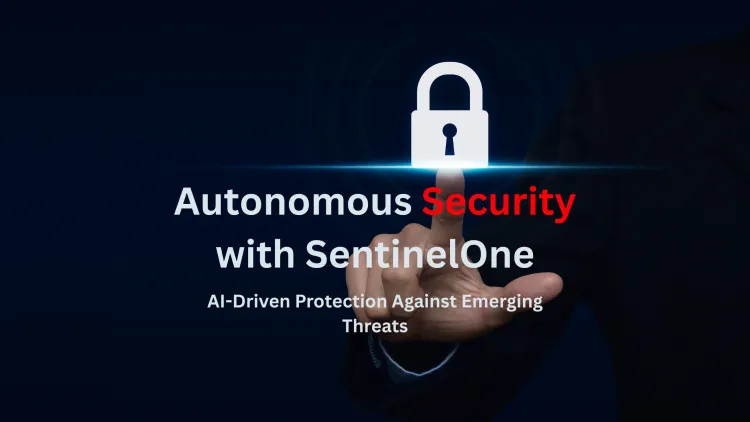
Quick answer: SentinelOne Singularity is an extended detection and response (XDR) platform that unifies prevention, detection, response and threat hunting across endpoints, cloud workloads and IoT devices. Instead of relying on signatures, it uses AI and behavioural analysis to spot unknown threats such as zero-days, and offers autonomous remediation and rollback to respond with little manual effort.
Key takeaways
- Singularity is an XDR platform covering endpoints, cloud workloads and identity.
- Autonomous response can roll back changes made by ransomware on a supported endpoint.
- Check how a product behaves on your systems, since vendor claims vary.
Introduction
Zero-day attacks are among the most dangerous and difficult threats to combat. These exploits target vulnerabilities that are unknown to software vendors and security professionals, leaving systems exposed with no available patches or defenses. To stay ahead of these unseen threats, organisations are adopting autonomous cybersecurity solutions, and one of them is SentinelOne Singularity.
With AI-powered threat detection, autonomous remediation, and real-time response, SentinelOne Singularity is changing how organizations fight modern cyberattacks. This post looks at what makes the platform effective, especially against zero-day exploits, and how it helps organizations worldwide stay protected without manual intervention.
What is SentinelOne Singularity?
SentinelOne Singularity is a next-gen Extended Detection and Response (XDR) platform that unifies prevention, detection, response, and threat hunting across endpoints, cloud workloads, and IoT devices. Unlike traditional antivirus software that relies on known signatures, Singularity uses artificial intelligence and behavioral analysis to detect threats, even those never seen before.
This makes it especially potent against zero-day vulnerabilities, which are notoriously difficult to stop using conventional methods.
Why Are Zero-Day Exploits So Dangerous?
A zero-day exploit takes advantage of a security flaw that hasn’t been patched or even discovered by the software vendor. Since there are no available updates or fixes, attackers can strike swiftly and undetected, often causing major damage before anyone even realizes something is wrong.
In recent years, we've seen several high-profile zero-day attacks affect major companies, governments, and infrastructure. This has made automated, real-time detection and response more important than ever, and that's where SentinelOne shines.
How SentinelOne Singularity Detects Zero-Day Threats
SentinelOne doesn’t rely on outdated threat signatures. Instead, it uses AI-based static and behavioral analysis to examine files and processes in real time. Here's how it works:
1. AI-Powered Behavioral Detection
SentinelOne uses machine learning algorithms to identify suspicious behaviors, like unusual memory access, privilege escalation, or lateral movement, even if the malware is brand new.
2. Cloudless Detection
Unlike many EDR platforms, SentinelOne can detect and block threats locally, even when devices are offline. This means remote employees and mobile users stay protected at all times.
3. Storyline™ Technology
A standout feature of SentinelOne is Storyline™, which automatically links and visualizes all threat-related activities on a timeline. It provides clear forensic visibility into how the attack happened, making threat hunting and incident response easier than ever.
Autonomous Remediation and Rollback
When Singularity detects a threat, it doesn’t just alert you, it takes action automatically.
-
Autonomous Response: Immediately quarantines malicious files, kills processes, and disconnects affected devices from the network to prevent spread.
-
One-Click Rollback: On supported Windows machines, SentinelOne can automatically roll back the system to its pre-attack state using built-in snapshots. This is a powerful defense against ransomware.
Why It’s Trending in 2026
As ransomware, zero-days, and nation-state attacks continue to rise, companies are demanding faster and smarter solutions. SentinelOne is trending because it offers:
-
No need for human intervention: AI handles detection, investigation, and response.
-
Scalability: Works across thousands of endpoints in large enterprises.
-
Ease of use: Unified dashboard for visibility and control.
-
Cloud, endpoint, and IoT coverage: Protects hybrid and modern infrastructures.
SentinelOne’s effectiveness has earned it top rankings in Gartner, MITRE evaluations, and independent AV tests, making it a trusted solution for organizations of all sizes.
What Are the New Features in 2026?
SentinelOne is evolving quickly. In 2026, some notable updates include:
-
Singularity Cloud Workload Security: For protecting containers and Kubernetes environments.
-
Singularity Identity: Adds protection against Active Directory exploitation.
-
Ranger Insights: A tool that monitors and secures unmanaged and rogue devices on the network.
-
Singularity Operationalized AI: Automates threat intelligence correlations to detect attacker TTPs (Tactics, Techniques, and Procedures) instantly.
Real-World Example: Blocking a Zero-Day Attack in Action
A Fortune 500 company recently faced a targeted attack exploiting an unknown vulnerability in a third-party application. While traditional antivirus software failed to catch the exploit, SentinelOne Singularity detected abnormal system calls and suspicious behavior from the affected app.
Within milliseconds:
-
The attack was contained and isolated.
-
IT teams received a Storyline report showing how the malware attempted to spread.
-
The system was rolled back to its safe state with no data loss.
The result? Zero downtime, zero damage, and zero human intervention.
Conclusion
In the fight against zero-day threats, organizations need more than alerts, they need autonomous action, speed, and intelligence. SentinelOne Singularity brings all of that together in one AI-powered platform, capable of stopping threats before they wreak havoc.
As 2025 continues to bring new cybersecurity challenges, adopting real-time, automated solutions like SentinelOne is no longer optional, it's essential for digital survival.
To take this further with guided labs and an instructor, see our SIEM and alert analysis training.
Related reading
- The Invisible Shield | How Cybersecurity Tools in 2026 Are Protecting You from Hackers, Data Breaches, Ransomware, and Online Threats
- Cracking the Code | How CrowdStrike Falcon Uses Cloud-Native AI and Real-Time Threat Intelligence to Prevent Ransomware Attacks in 2026
- How Darktrace AI Prevents Cyber Attacks | Real-Time Threat Detection, Automated Security, and AI-Powered Defense
Frequently Asked Questions
What's Your Reaction?
 Like
0
 Dislike
0
 Love
0
 Funny
0
 Wow
0
 Sad
0
 Angry
0

Vaishnavi is a skilled tech professional at the Ethical Hacking Training Institute in Pune, responsible for managing and optimizing the technical infrastructure that supports advanced cybersecurity education. With deep expertise in network security, backend operations, and system performance, she ensures that practical labs, online modules, and assessments run smoothly and securely. Her behind-the-scenes contributions play a vital role in delivering a seamless and secure learning experience for aspiring ethical hackers.